What Are Sapphic Books? Sapphic vs. Lesbian Fiction vs. WLW vs. F/F Romance, Explained

Last updated: October 2026 · By the Sapphic Romance Reviews team
Quick answer
Sapphic books are books whose main or point-of-view character is a woman — or a nonbinary person who identifies with the term — attracted to women. “Sapphic” is an umbrella: it includes lesbian, bisexual, pansexual, queer and unlabelled women, and a sapphic book can be any genre, with or without a romance.
In one line each:
- Sapphic = the umbrella (who the book centres).
- Lesbian fiction / lesfic = books centring lesbian characters specifically (historically used for the whole shelf).
- WLW = “women loving women” — community shorthand, nearly the same as sapphic but worded for women only.
- F/F romance = a genre promise: the relationship between two women IS the plot, and it ends happily (HEA or HFN).

Sapphic, Lesbian, WLW & F/F at a Glance
| Label | What it describes | Who it includes | Must it be a romance? | Happy ending required? | Example book |
|---|---|---|---|---|---|
| Sapphic | Identity umbrella | Lesbian, bi, pan, queer, unlabelled women; nonbinary people who use the term | No | No |  Gideon the Ninth Gideon the Ninth(sci-fi/fantasy) |
| Lesbian fiction (lesfic) | Identity-specific | Lesbian characters (strictly); used broadly in the past | No | No | 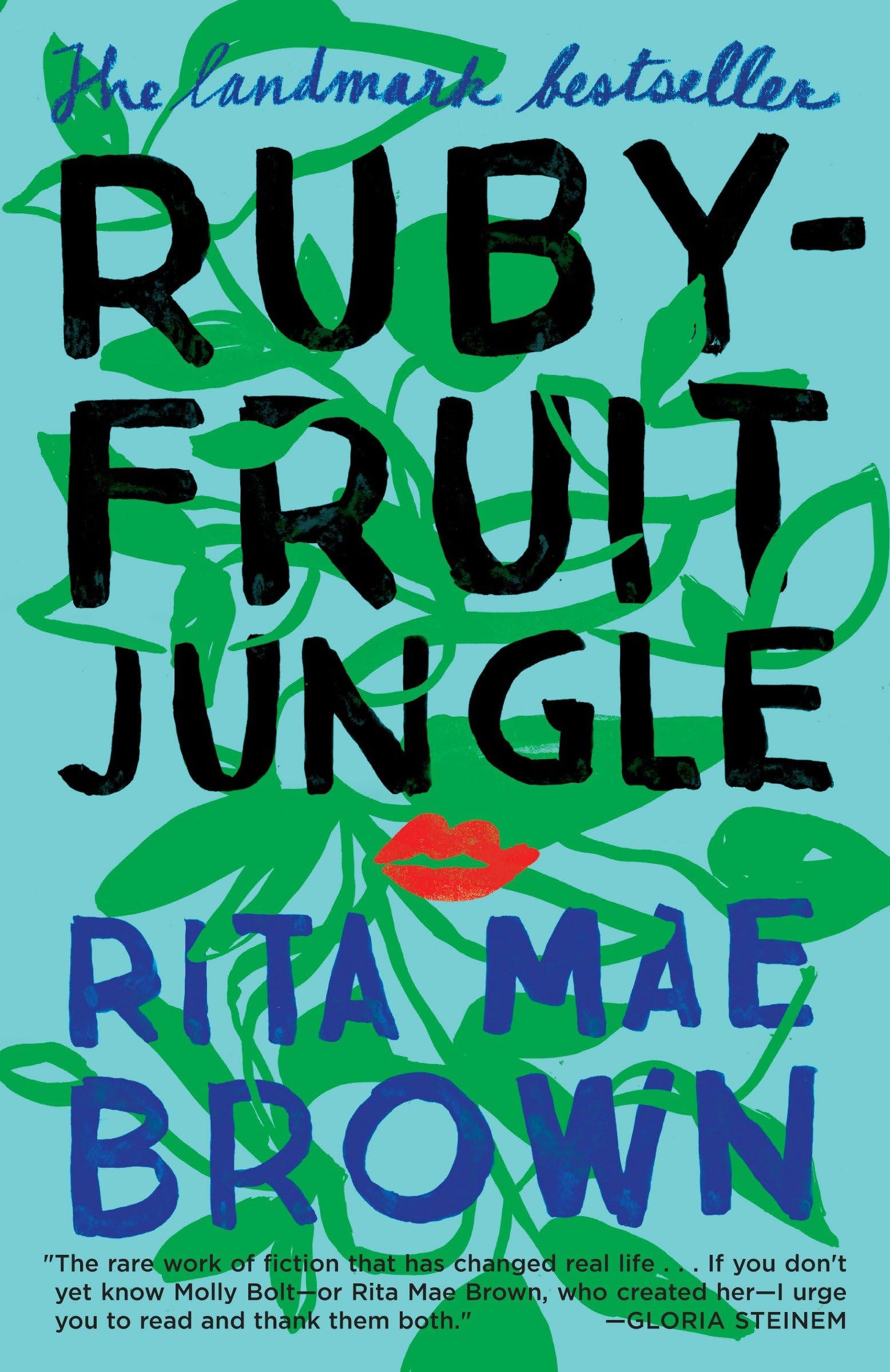 Rubyfruit Jungle Rubyfruit Jungle(coming-of-age) |
| WLW | Relationship/identity shorthand | Women who love women of any orientation | No | No | 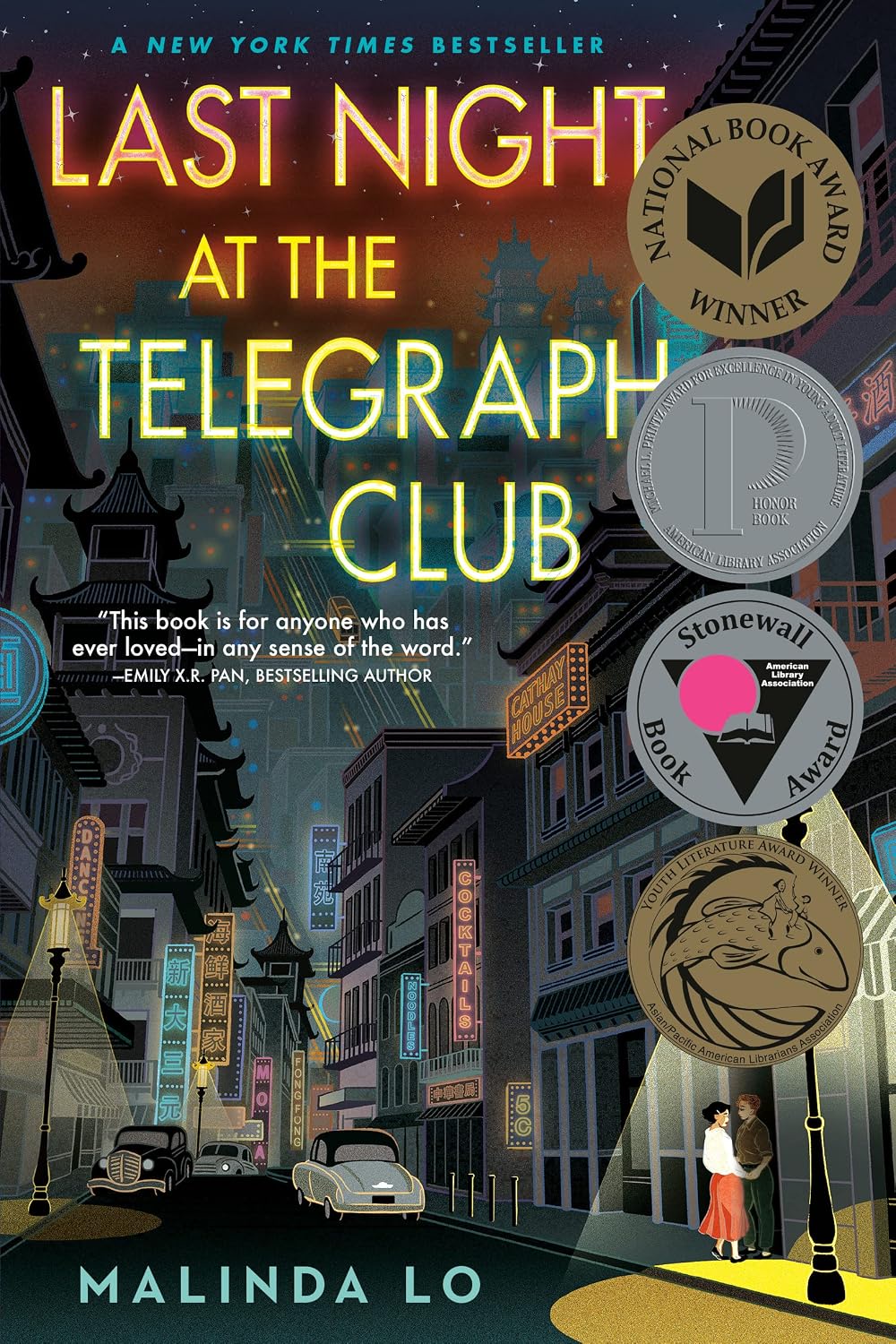 Last Night at the Telegraph Club Last Night at the Telegraph Club(YA historical) |
| F/F romance | Genre + pairing | Any two women in a central romance, however they identify | Yes | Yes (HEA/HFN) |  Delilah Green Doesn't Care Delilah Green Doesn't Care(contemporary romance) |
| Sapphic romance | Genre under the umbrella | Same as F/F romance; the more modern marketing word | Yes | Yes |  Written in the Stars Written in the Stars(rom-com) |
Rule of thumb: every lesbian book is sapphic; every F/F romance is sapphic; but not every sapphic book is lesbian fiction or a romance.
What Does “Sapphic” Mean in Books?
The word comes from Sappho, the Greek lyric poet from the island of Lesbos (c. 7th–6th century BCE), whose surviving fragments describe desire between women. “Lesbian” comes from the island; “sapphic” comes from the poet. English has used “sapphic” for love between women since the 18th century, and dictionaries date the word itself to around 1500.
Because “lesbian” became the specific word for women attracted only to women, readers and authors revived “sapphic” in the late 2010s as a deliberately broader, more inclusive label. On BookTok and Bookstagram it is now the default word for this whole shelf. (For a deeper dive, Lesbian Romance Reads explains what “sapphic books” actually means.)
In a book, “sapphic” tells you about the character, not the plot. A book is sapphic when:
- A main or point-of-view character is sapphic — not just a side character.
- It is on the page, in the text — not only confirmed in an author interview.
- It shapes her inner life, choices or relationships (it doesn’t have to be the plot).
- She is a subject of the story, not an object of someone else’s gaze.
A bisexual heroine with no love interest at all can still make a book sapphic.
Sapphic vs. Lesbian Fiction: What’s the Difference?
Lesbian fiction centres characters who identify as lesbian. Sapphic fiction includes lesbian characters plus bi, pan, queer and unlabelled women and some nonbinary characters. So a novel where a bisexual woman falls in love with a woman is sapphic — but not, strictly, lesbian fiction.
Why the confusion? For decades “lesfic” was the only shelf, and small presses used it for nearly every book about women who love women. Many readers and authors still use it that way, and lesbian readers often deliberately search “lesbian” to find lesbian-identified leads. Neither word replaces the other: use “lesbian” when a character is lesbian, “sapphic” when you mean the whole umbrella.
Examples that show the difference:
- Sapphic but not lesbian fiction:
 The Seven Husbands of Evelyn Hugo — Taylor Jenkins Reid (Evelyn is bisexual).
 - Lesbian fiction and a romance:
 The Price of Salt (Carol) — Patricia Highsmith (1952, famous for its then-rare hopeful ending).
 - Lesbian fiction, not a romance:
 Fun Home — Alison Bechdel (graphic memoir).
Sapphic vs. WLW vs. F/F Romance
WLW (women loving women) emerged in Black queer women’s community spaces and spread online as everyday shorthand. It overlaps almost entirely with “sapphic”, with one practical difference: the wording is about women, so many nonbinary readers prefer “sapphic”. On retail sites WLW also works as a search term that surfaces indie titles other labels miss.
F/F (female/female) is pairing notation from fandom and romance publishing, like M/F or M/M. Add “romance” and it becomes a genre contract: the relationship drives the story and the ending is a Happily Ever After or Happy For Now. Note: WLW does not automatically mean F/F — a bi woman dating a man is still WLW, and a single lesbian is still a lesbian.
Which label should you search?
| If you want... | Search this | Where it works best |
|---|---|---|
| Any genre, inclusive of bi/pan/nonbinary leads | sapphic books / sapphic fantasy / sapphic horror | Goodreads lists, StoryGraph, BookTok |
| Lesbian-identified main characters | lesbian fiction / lesbian novels | Amazon (it has a Lesbian Fiction category but no “sapphic” one), libraries |
| Casual browsing, community recs, indie titles | WLW books | TikTok, Tumblr, Reddit, Amazon keyword search |
| A guaranteed love story with a happy ending | F/F romance / sapphic romance / lesbian romance | Amazon Lesbian Romance category, Kindle Unlimited |
| Older pre-2015 indie catalogue | lesfic | Small presses (Bella Books, Bold Strokes, Ylva) |

Pro tip: run “sapphic”, “F/F” and “WLW” as three separate searches. Each returns a noticeably different shelf. Discovery sites help too: EIKNA lets romance readers browse by book, author, trope and genre, Rikna Romance is another place to hunt for your next romance, and Lesbian Romance Reads has full, evidence-led reviews with heat, trope and ending labels.
A Short History of the Labels
- c. 600 BCE — Sappho writes about desire between women on Lesbos.
- 1700s–1800s — “Sapphic” used in English for love between women.
- 1950s–60s — Lesbian pulp paperbacks; The Price of Salt (1952).
- 1970s–2000s — Feminist and lesbian presses (Naiad, later Bella, Bold Strokes); “lesfic” becomes the shelf name.
- 2010s — “WLW” and “F/F” spread through Tumblr, fandom and Twitter.
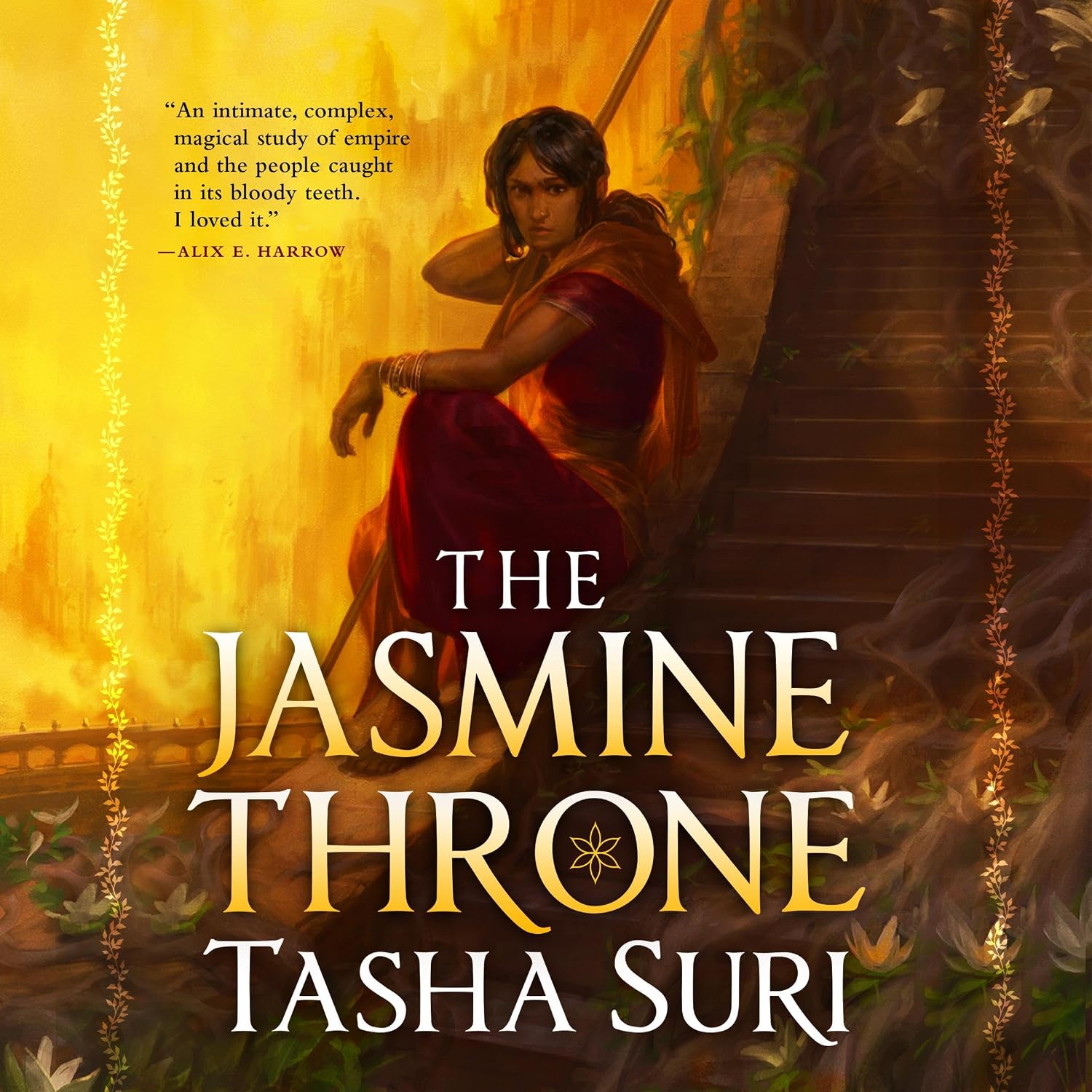
- 2019–2021 — Big-publisher hits (Gideon the Ninth, Time War, One Last Stop, The Jasmine Throne) make “sapphic” mainstream; 2021’s “Sapphic Trifecta” of fantasy releases fuels BookTok.
- Now — “Sapphic” is the default discovery term; “lesbian” remains the identity-specific term.
Sapphic Books Aren’t Only Romance: Picks by Genre
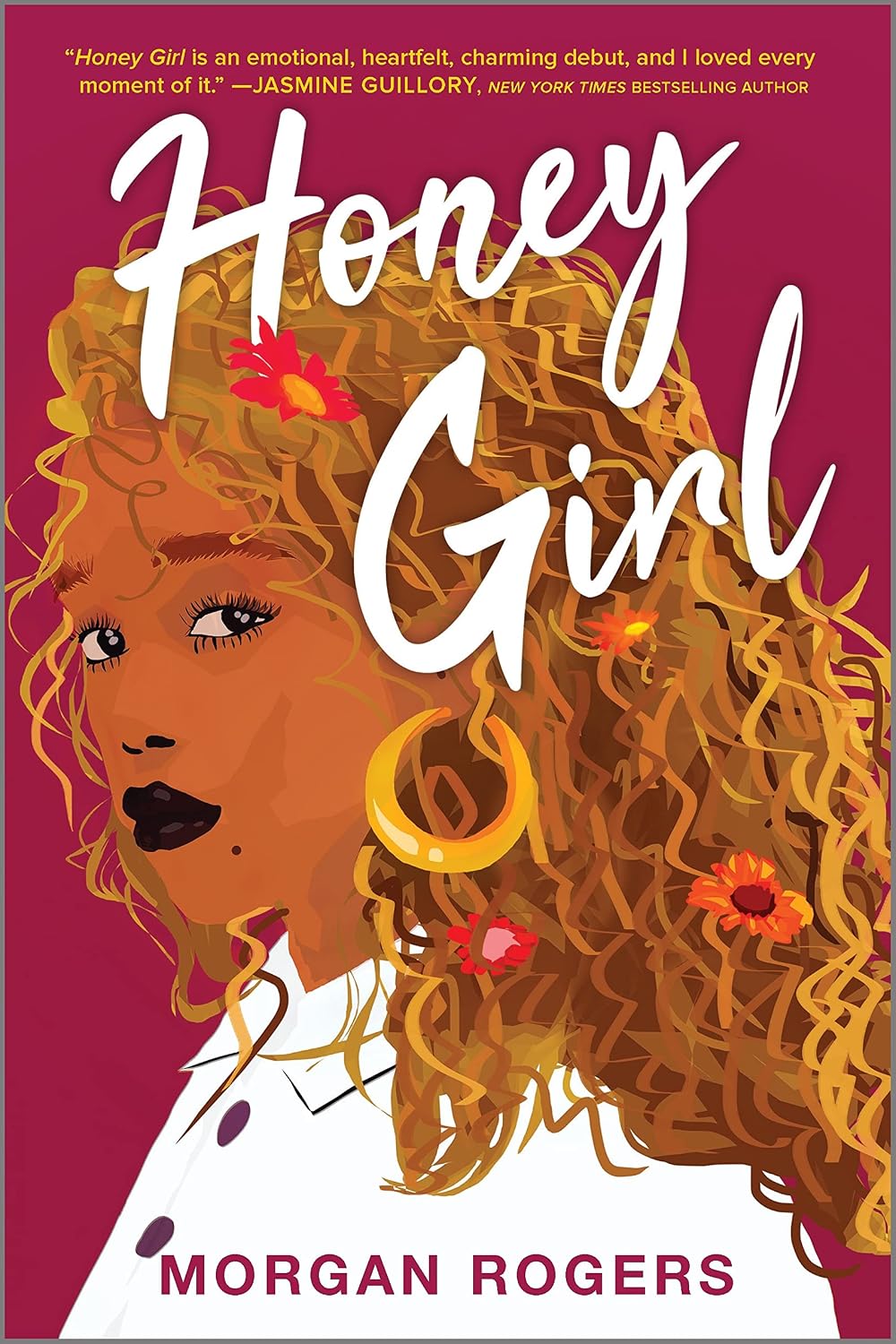
Key: Romance = central / subplot / none · Ending · Heat (0–3). Click a cover to read the full review at Lesbian Romance Reads.

Contemporary romance

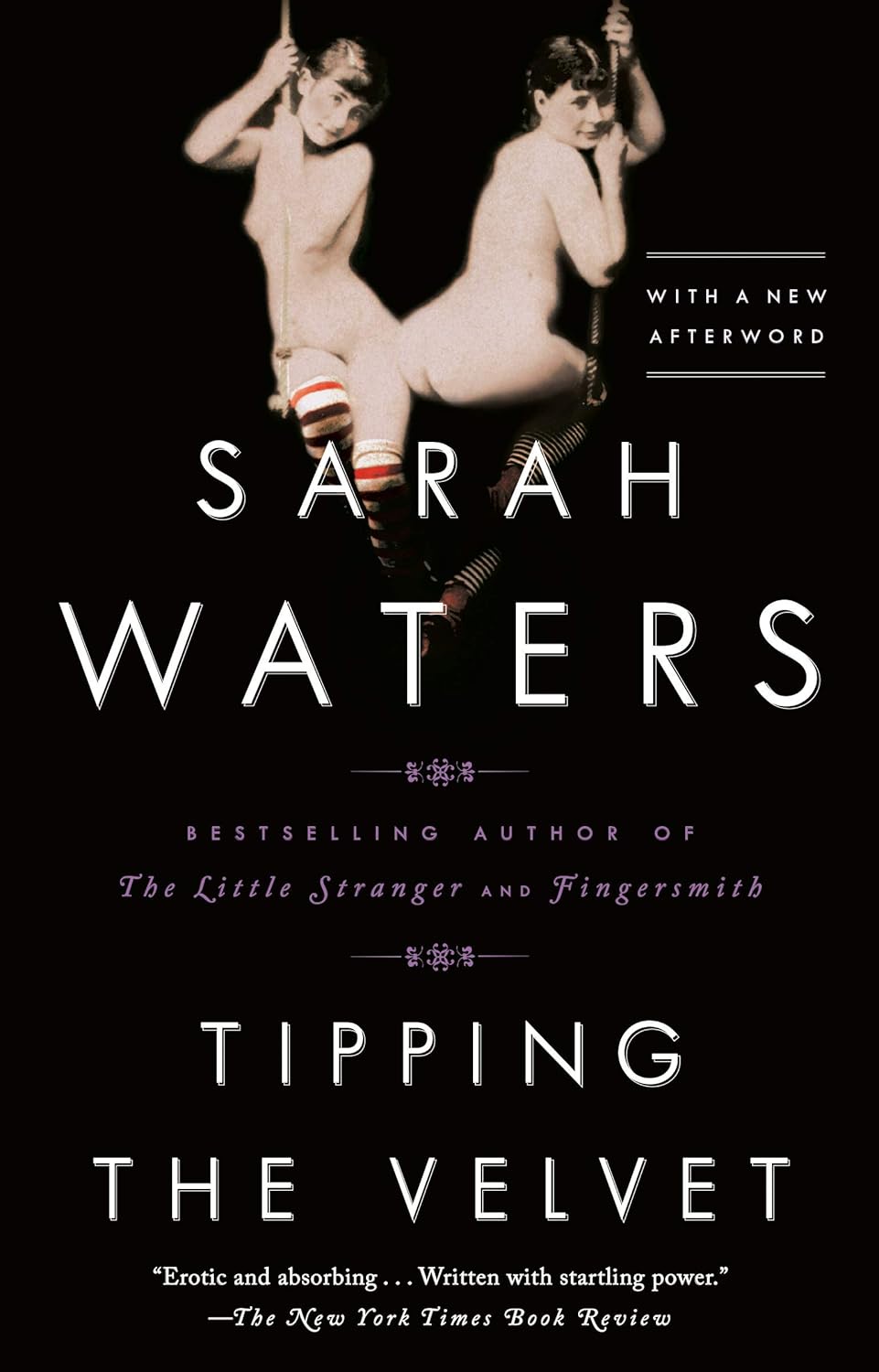
Historical


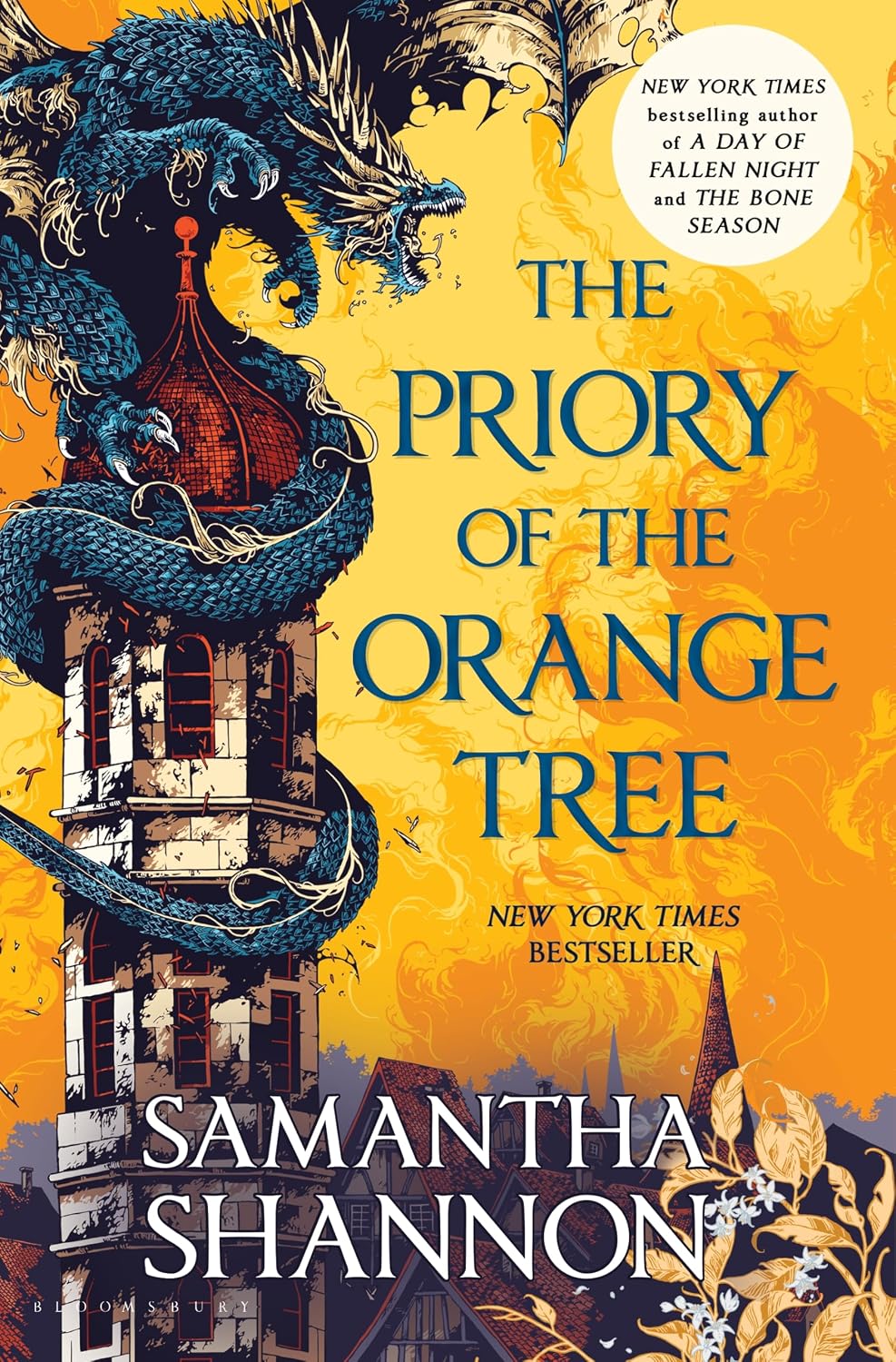
Fantasy & romantasy


Spellshop
Science fiction


Horror & gothic
Carmilla

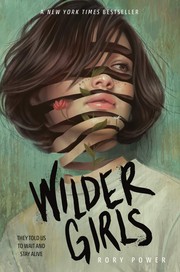
Wilder Girls
Literary, crime & classics
The Seven Husbands of Evelyn Hugo

YA, memoir & graphic
Laura Dean Keeps Breaking Up with Me
Fun Home

In the Dream House
Where to Start (3 Reading Paths)
New to sapphic romance:
Want fantasy, romance optional:
Want the history of the shelf:
Frequently Asked Questions
What are sapphic books?
Sapphic books are books whose main or point-of-view character is a woman, or a nonbinary person who uses the term, attracted to women. They can be any genre and do not need a romance.
What does sapphic mean in books?
In books, sapphic describes the character, not the plot: at least one main character is a lesbian, bisexual, pansexual, queer or unlabelled woman, or a nonbinary person who identifies as sapphic.
What is the difference between sapphic and lesbian fiction?
Lesbian fiction centres lesbian-identified characters. Sapphic fiction is broader and also includes bisexual, pansexual, queer and unlabelled women and some nonbinary characters. Every lesbian book is sapphic, but not every sapphic book is lesbian fiction.
What is the difference between sapphic, WLW and F/F romance?
Sapphic and WLW are umbrella labels for who a book centres; WLW is worded for women only, while sapphic can include nonbinary people. F/F romance is a genre: the relationship between two women drives the plot and the book ends happily.
What does lesfic mean?
Lesfic is short for lesbian fiction. Strictly it means books with lesbian main characters, but for decades it was used for almost all fiction about women who love women.
Do sapphic books always have a happy ending?
No. Only sapphic or F/F romance promises a happy ending. Sapphic fantasy, horror, literary and historical fiction can end in any way.
Can a sapphic book have a nonbinary character?
Yes. Nonbinary people who are attracted to women and identify with the term sapphic are included, which is one reason many readers prefer sapphic over WLW.
Keep Exploring
- Ready for recommendations? Start with our best WLW books and F/F romance books, sorted by trope, mood, heat and ending.
- Full, evidence-led reviews of 250+ sapphic books: Lesbian Romance Reads.
- Browse romance by trope, genre and author: EIKNA.
- More romance reading: Rikna Romance.


Comments
Post a Comment